
Understanding Size Charts for Baby Clothes

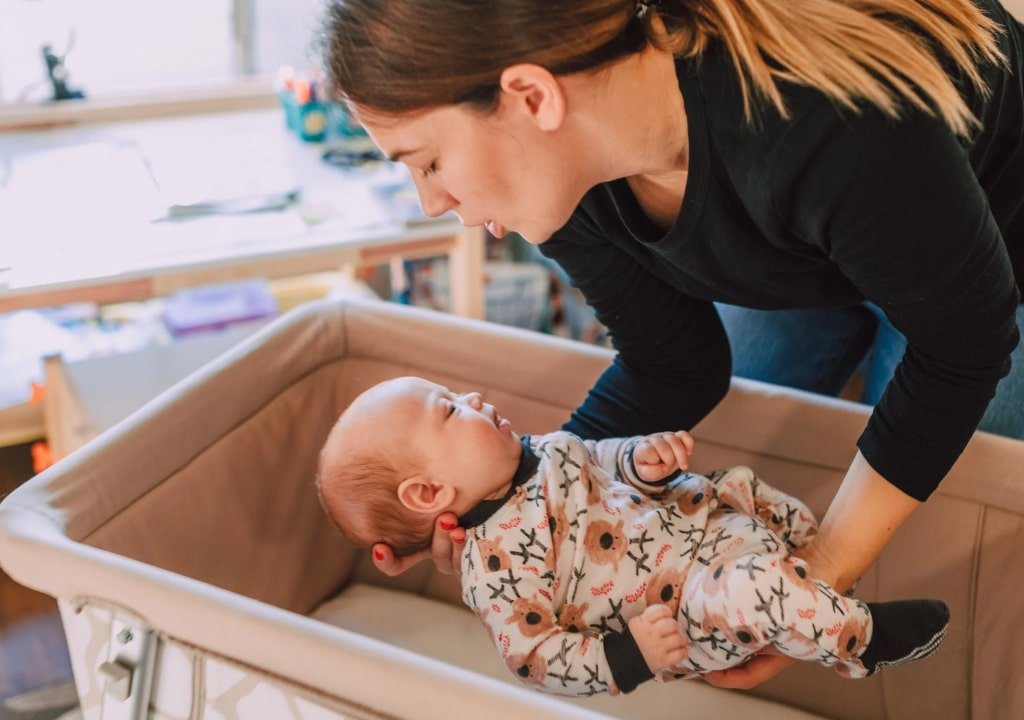
Shopping for baby clothes should feel exciting—not confusing. Yet for many parents, size charts can be the trickiest part. Babies grow quickly, brands vary widely, and international sizing can make things even more complicated. Whether you’re shopping for your newborn or choosing a gift, understanding baby size charts can help you pick clothing that fits comfortably, safely, and with room to grow.
Why Size Charts Matter
Baby clothing isn’t just about style—it’s about comfort and movement. A well-fitted outfit ensures:
Easy diaper changes
Safe movement without tightness
Better sleep and feeding comfort
Longer wear time as babies grow
A size too small may feel tight, while a size too big may be unsafe for sleep or cause discomfort.
What Baby Sizes Usually Mean
Baby clothing sizes are commonly based on age, weight, and height. Here’s a general reference (may vary by brand):
| Size | Age (Approx.) | Weight | Height |
|---|---|---|---|
| Newborn (NB) | 0–1 month | Up to 3.4 kg | Up to 52 cm |
| 0–3 months | 1–3 months | 3.4–6 kg | 52–62 cm |
| 3–6 months | 3–6 months | 6–8 kg | 62–68 cm |
| 6–9 months | 6–9 months | 8–9.5 kg | 68–74 cm |
| 9–12 months | 9–12 months | 9.5–10.5 kg | 74–78 cm |
| 12–18 months | 12–18 months | 10.5–12.5 kg | 78–84 cm |
| 18–24 months | 18–24 months | 12.5–13.5 kg | 84–90 cm |
This chart gives a starting point—but brand-specific measurements always give the most accurate fit.
Why Sizes Differ Between Countries
Different regions have different sizing standards:
China sizes usually follow height in centimetres
US/UK sizes follow age ranges
European (EU) sizes follow height primarily
This is why an outfit labeled 80 cm (China) may correspond to 9–12 months (US) or EU size 80.
Always check the measurements, not just the age label.
How to Measure Your Baby at Home
To choose the right size, measure your baby using a soft measuring tape:
Height: From head to heel while lying straight.
Chest: Around the fullest part of the chest, under the arms.
Waist: Around the natural waistline.
Weight: With a baby scale or your regular scale by subtracting your weight.
Tip: Measure when your baby is calm or right after sleep.
Choosing the Right Fit
Here’s what to keep in mind:
1. Prioritize comfort over exact fit
Babies grow fast—slightly bigger is usually better, except for sleepwear which must be snug for safety.
2. Look for stretch fabrics
Cotton with elastane allows room for movement and growth.
3. Consider diaper space
Grow suits, rompers, and bottoms should accommodate diapers without being tight.
4. Think about the season
If you’re buying ahead, size up for expected growth and match seasonal needs.
Signs the Clothing Size Is Wrong
Too small:
Snaps pop open
Red marks on skin
Baby is uncomfortable moving arms/legs
Too big:
Neckline slips
Sleeves bunch up
Unsafe fit during sleep
When in Doubt—Size Up
If your baby is between sizes or growing quickly, choosing the larger size gives longer wear and better comfort.
Understanding baby size charts takes away the guessing and makes shopping enjoyable again. By checking measurements, knowing size differences, and prioritizing comfort, you can pick the perfect fit every time—giving your little one freedom to move, play, and grow happily.