
Sensory Activities for Babies (0–2 years)


Helping your baby explore the world through their senses is one of the most powerful ways to support early development. From birth to age two, babies learn by touching, tasting, listening, seeing, and moving. Sensory play not only stimulates brain growth but also strengthens motor skills, curiosity, and emotional development.
Here are some simple, safe, and enriching sensory activities you can try at home.
1. Tummy Time With Textures (0–6 Months)
Place your baby on different soft surfaces—like a fleece blanket, a play mat, or a cotton towel.
Benefits: Builds neck strength, improves body awareness, encourages early crawling movements.
2. High-Contrast Visual Cards (0–4 Months)
Newborns love black-and-white or bold-colored imagery. Hold cards 8–12 inches from their face or place them in their play area.
Benefits: Supports visual focus, eye tracking, and early cognitive development.
3. Gentle Sound Exploration (0–12 Months)
Use soft rattles, crinkly toys, or household items like a wooden spoon on a cushion. Let your baby safely explore different sounds.
Benefits: Builds auditory awareness and cause-and-effect understanding.
4. Sensory Bottles (6–24 Months)
Fill sealed bottles with water, glitter, beads, pom-poms, or buttons (secured tightly!). Watch your baby shake, roll, and explore.
Benefits: Encourages fine motor skills, visual tracking, and calm focus.
5. Water Play (6–24 Months)
Use a small tub with shallow water and add cups, spoons, or floating toys. Always supervise.
Benefits: Enhances motor control and introduces basic concepts like floating and pouring.
6. Soft Food Play (6–18 Months)
For eating-age babies, place mashed fruits, yogurt, or cooked pasta on a high-chair tray for squishy exploration.
Benefits: Builds sensory tolerance and supports early self-feeding.
7. Nature Basket (9–24 Months)
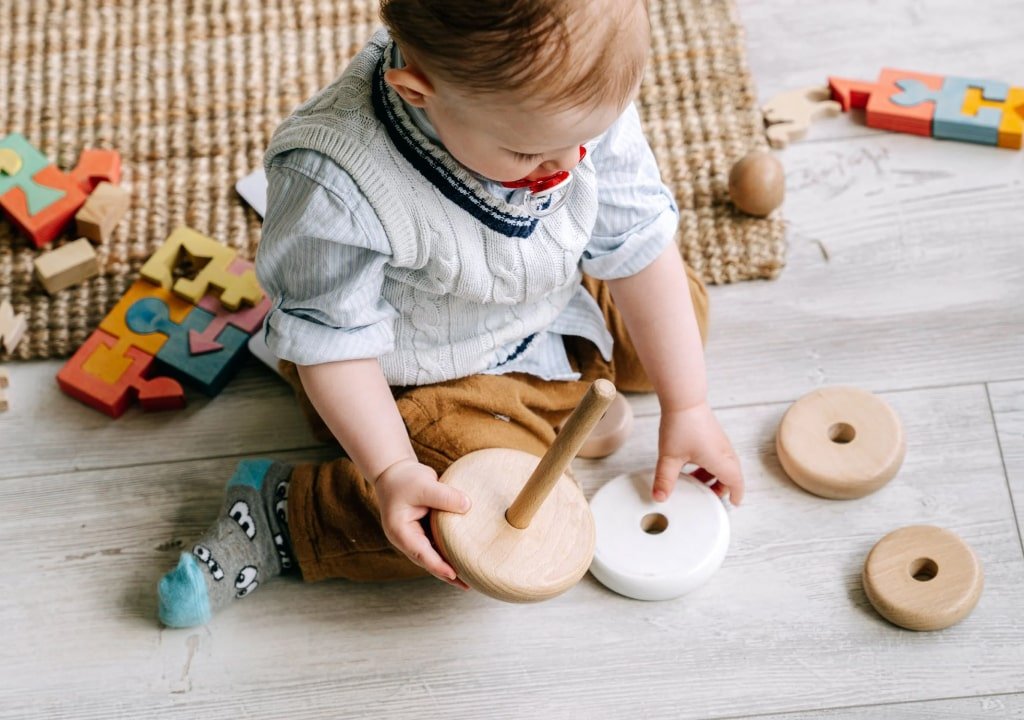
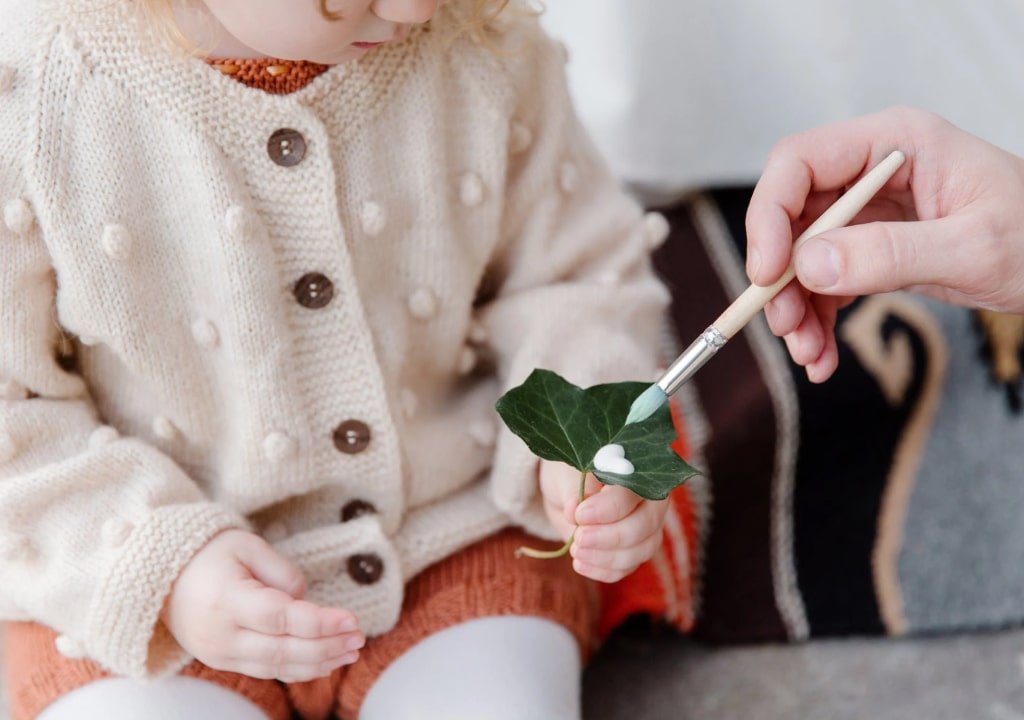
Fill a basket with baby-safe natural items like smooth stones, leaves, pinecones, or wooden rings. Supervise closely.
Benefits: Boosts curiosity and helps babies learn through real-world textures.
8. Music & Movement (9–24 Months)
Clap, sway, tap drums, or dance together. Encourage your baby to mimic simple moves.
Benefits: Strengthens balance, rhythm, coordination, and language learning.
9. Fabric Peek-a-Boo (6–18 Months)
Use scarves or cloths for pulling, waving, or hiding objects underneath.
Benefits: Encourages problem-solving and keeps babies engaged with simple surprises.
10. Sensory Walk (12–24 Months)
Place mats, bubble wrap, grass, or foam tiles on the floor and let your toddler walk barefoot over them.
Benefits: Stimulates tactile learning and improves balance.
Safety Tips
Always supervise sensory play—especially with small items.
Choose age-appropriate materials.
Keep play spaces clean and clutter-free.
Introduce one new activity at a time to avoid sensory overload.

Sensory play doesn’t need fancy toys—just everyday items and intentional moments. When you engage your baby’s senses, you support their development and create joyful experiences that help them learn about the world in the cutest way possible.