
How to Encourage Early Talking & Communication

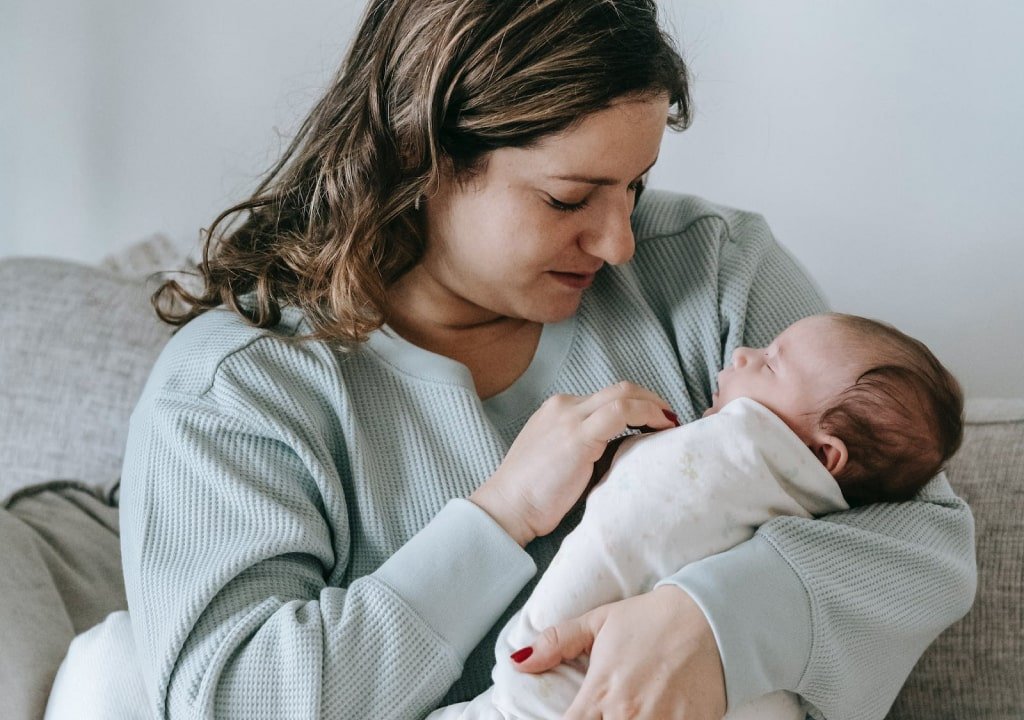
Communication begins long before a baby speaks their first word. From coos and giggles to pointing and babbling, babies start building language skills right from birth. As parents, you play the biggest role in helping your little one develop strong communication abilities during these early years. Here’s how you can gently support early talking in a natural, playful, and meaningful way.
Talk to Your Baby—All the Time
Babies learn language by hearing it. The more you talk, the more they absorb.
Try:
Describing what you're doing: “Mama is cutting fruits now.”
Naming objects around you: “Look, a blue cup!”
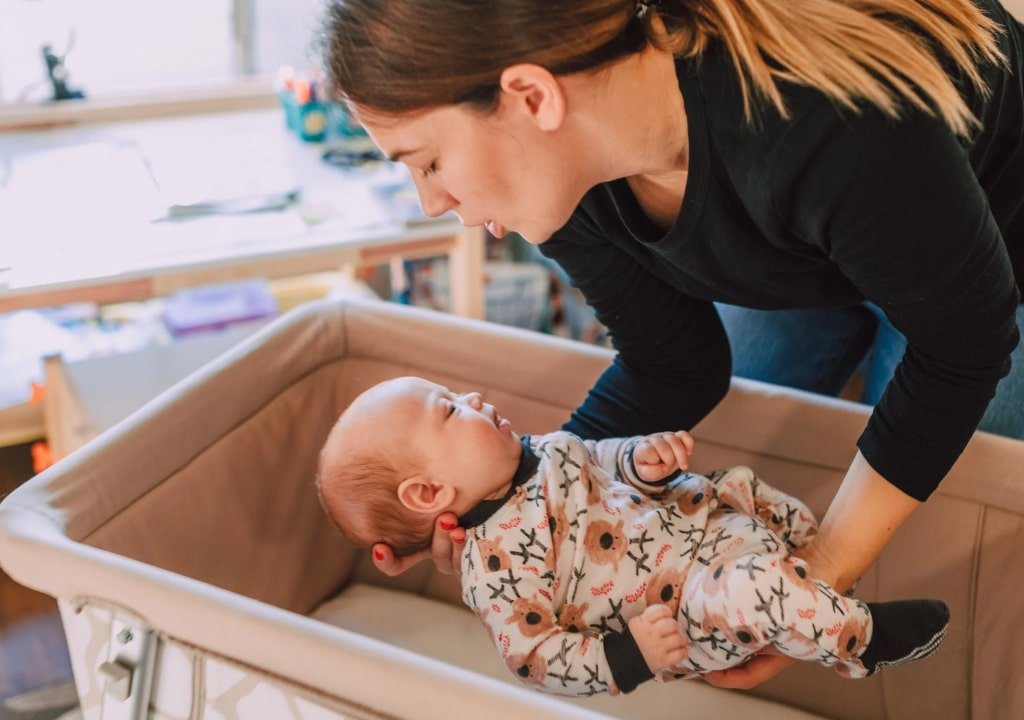
Talking through daily routines: feeding, bathing, diaper changes.
Your voice is your baby’s favourite sound—use it often.
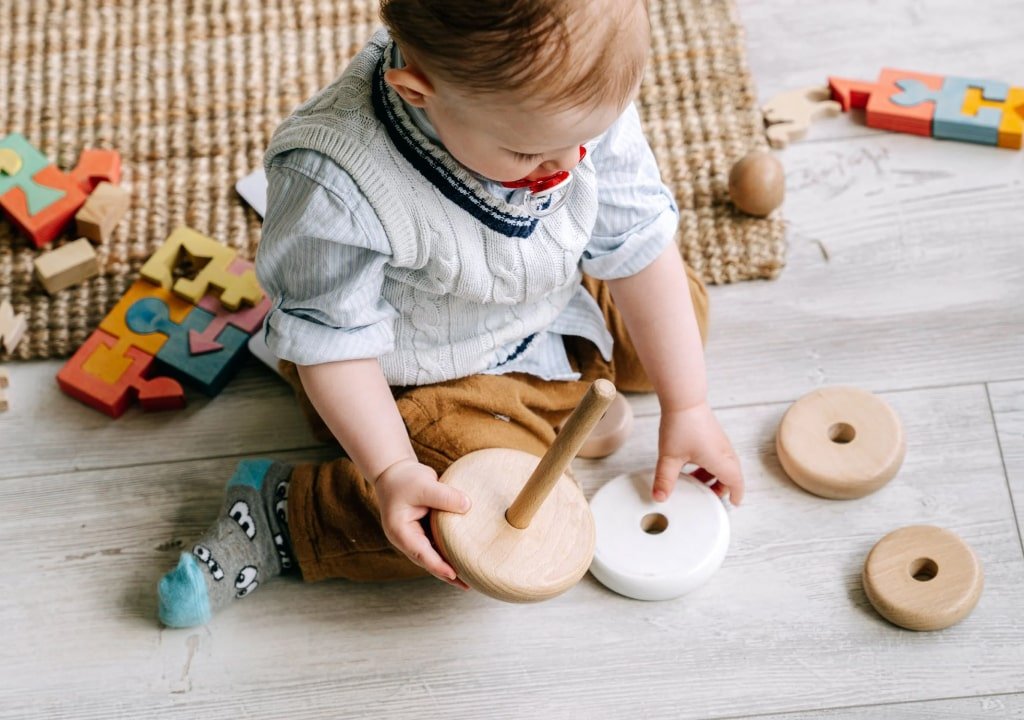
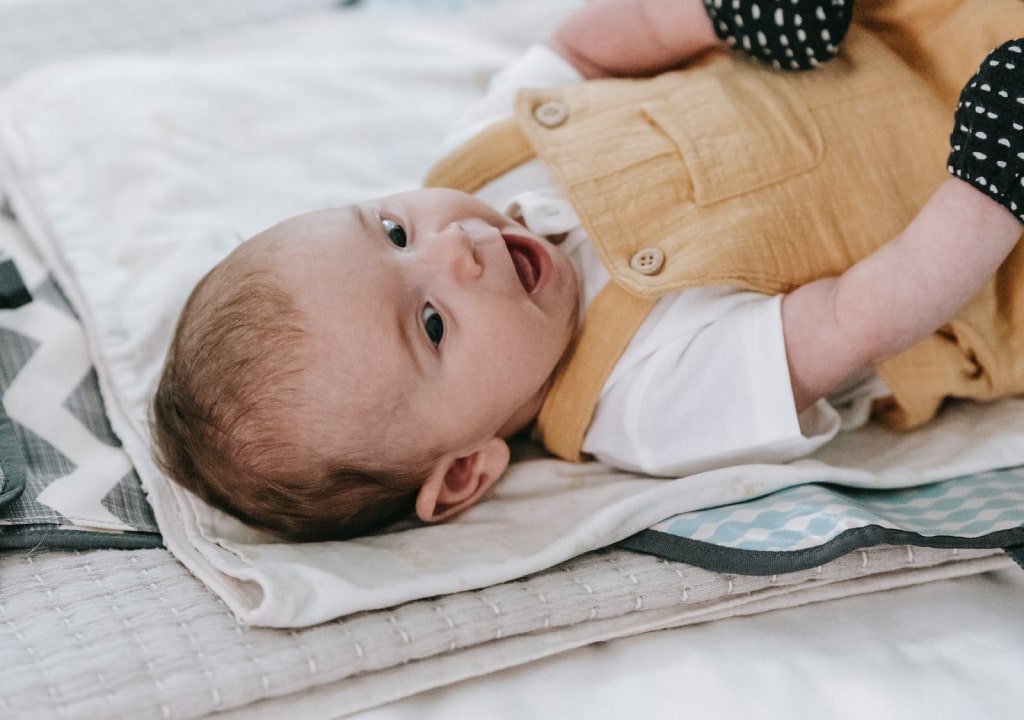
When your baby makes noises—coos, squeals, babbles—respond as if they’re having a conversation with you. This back-and-forth interaction is called serve and return, and it's proven to boost early language development.
Example:
Baby: “Ba-ba-ba!”
You: “Oh, you’re saying ba-ba! Tell me more!”
This teaches your baby that communication is a two-way exchange.
Babies love exaggerated speech patterns—higher pitch, slower pace, sing-song tone. This “parentese” helps them pick out sounds and understand meaning.
Say things like:
“Look at the biiig ball!”
“Oh wow, you’re so happ-y!”
“Up… up… up!”
It keeps them engaged and encourages them to imitate sounds.
4. Read Every Day
Books are one of the strongest tools for early language development.
Tips:
Choose books with bright pictures and simple words.
Point to pictures and name them.
Let your baby touch, turn pages, and explore.
Even newborns benefit from hearing stories—it helps build vocabulary early.
5. Name Everything
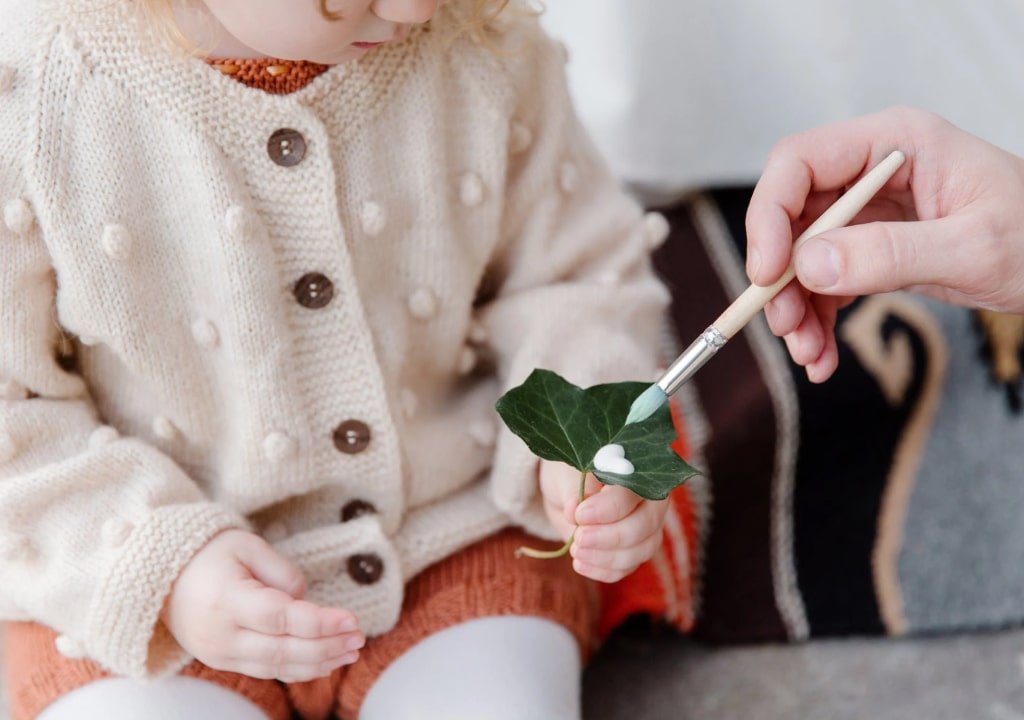
Whether you're outside, cooking, or playing, turn everyday moments into learning moments.
Example:
“That’s a dog. The dog is barking.”
“Here’s your cup. Cup!”
“You’re wearing yellow socks today.”
Repetition helps babies learn to connect words with objects.
6. Encourage Gestures
Gestures are the foundation of communication. Waving, clapping, pointing, and reaching all count as early language milestones.
You can model gestures by:
Waving “bye-bye”
Pointing to objects
Nodding or shaking head
Babies who use gestures early often speak earlier too.
7. Sing Songs & Rhymes
Nursery rhymes and songs expose babies to rhythm, sounds, and repetition—key elements of speech development.
Try songs like:
“Twinkle Twinkle Little Star”
“Wheels on the Bus”
“If You’re Happy and You Know It”
Music makes learning fun and memorable.
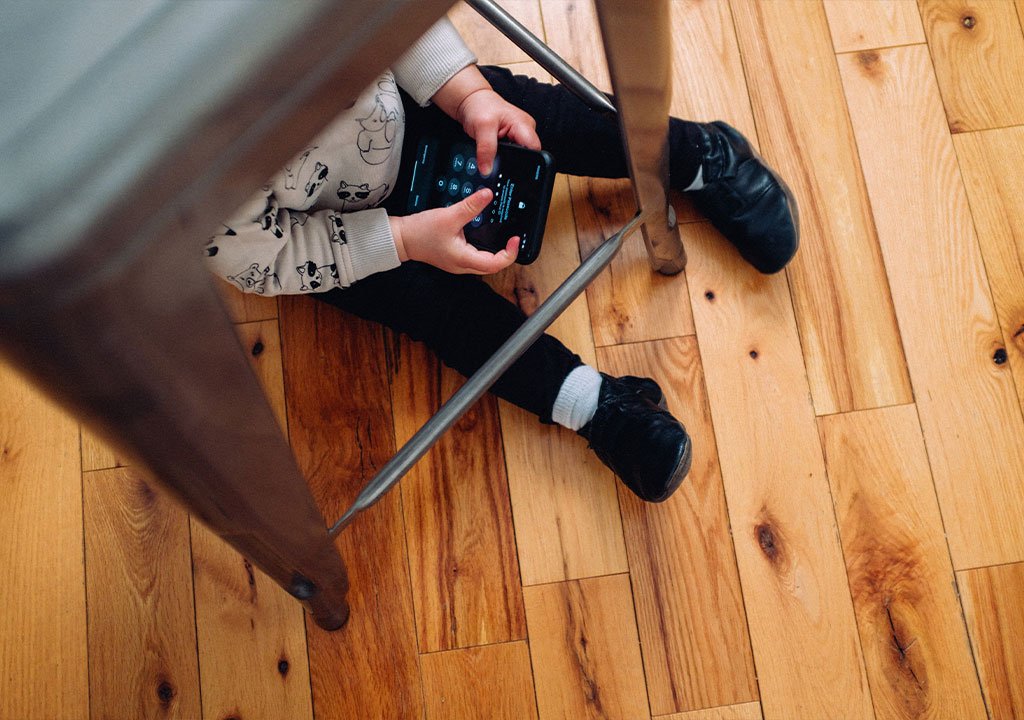
8. Limit Screen Time
For babies under two, real human interaction is far more effective than screens. It's the back-and-forth engagement—not just hearing words—that truly builds language.
9. Be Patient & Follow Their Lead
Every baby develops at their own pace. Celebrate small efforts like babbling, pointing, and imitating sounds. Follow your baby’s interests—they learn best when they’re curious and engaged.
10. Create a Communication-Rich Environment
Keep toys that make sounds or encourage naming.
Engage in pretend play.
Spend time face-to-face.
Use mealtime as a conversation moment.
Small daily habits add up.